Two ways to run a project
Both approaches build good homes. The difference is who coordinates the decisions, and how early cost enters the conversation.
Traditional contracting
A designer or architect develops plans. Those plans are then priced by builders, and the homeowner selects one. Design and construction are separate contracts.
- Design can be explored independently of a builder.
- Bids can be compared against a single set of drawings.
- Cost feedback usually arrives after the design is largely complete.
- The homeowner sits between two parties when questions come up.
Design-build
One team carries the project from planning through construction. Design, selections, estimating and building are coordinated internally.
- Cost feedback happens while decisions are still easy to change.
- Selections and construction sequencing are handled together.
- One point of responsibility when a question or conflict comes up.
- Comparing proposals requires reading scope carefully rather than matching a single drawing set.
The question is not which is better, but which fits how you want to make decisions.
Which one fits your project
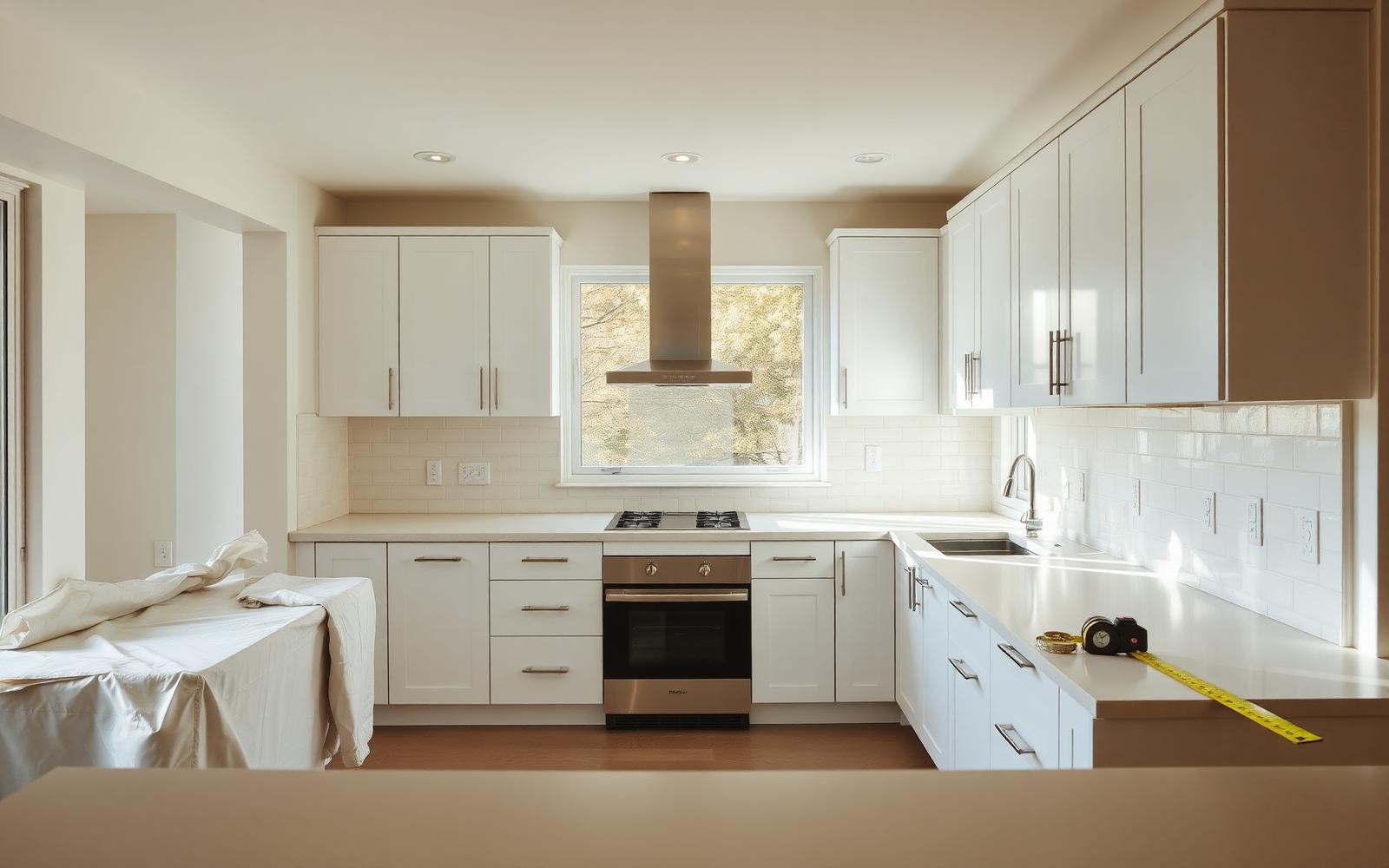
Highly custom architectural work often benefits from an independent design phase. Renovations where budget, selections and schedule are tightly linked — kitchens, baths, basements, additions — tend to run smoothly under one coordinated team.
How Home by Tru Grit works
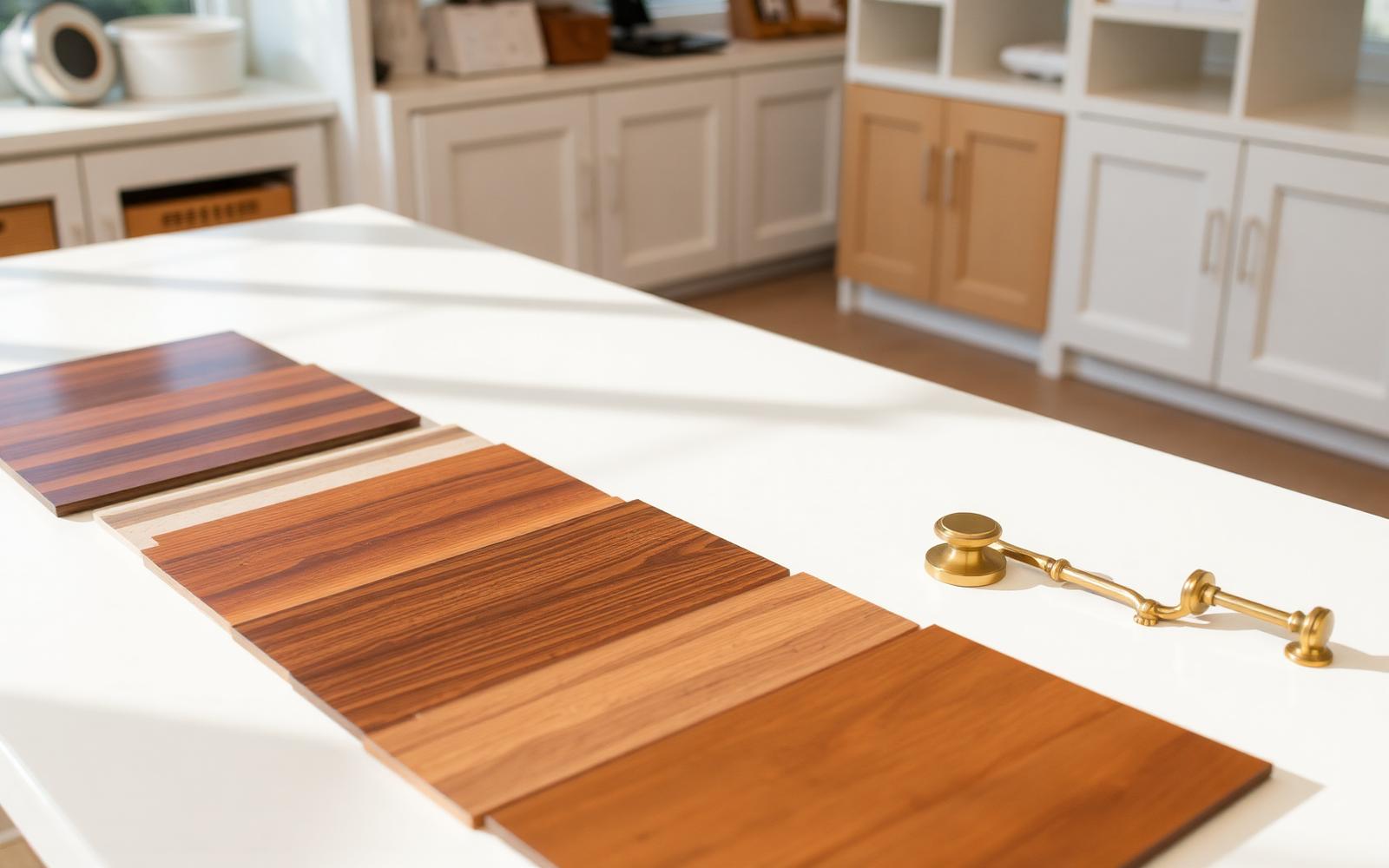
We plan, price and build with one team, and homeowners make selections in person at our Design Studio in Belford. That keeps design decisions, real material costs and construction sequencing in the same conversation.