What makes a Rumson home worth keeping
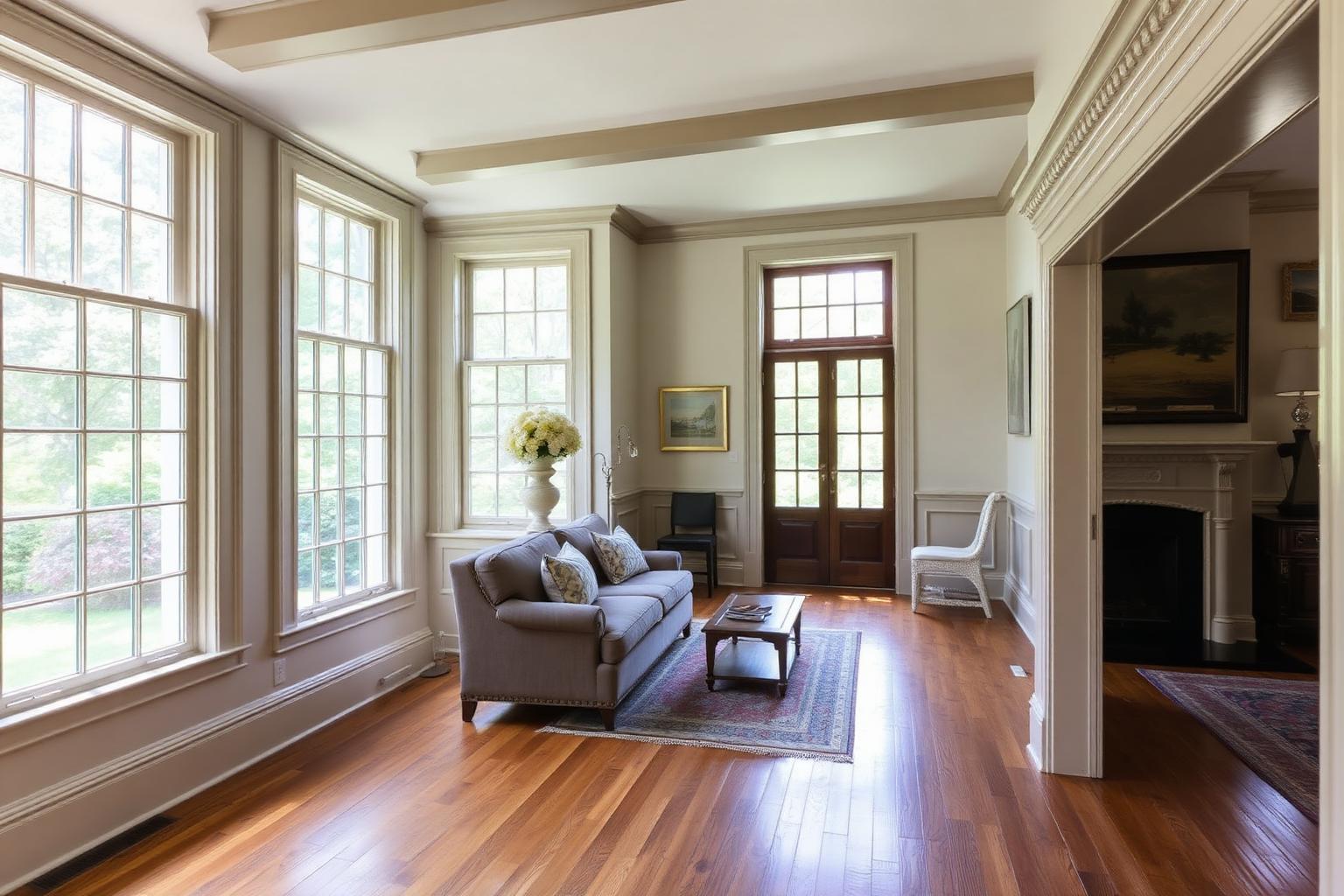
Original elements — plaster walls, solid wood doors, period trim, hardwood floors, and the proportions of older rooms — are expensive to reproduce today and often impossible to replace. A renovation that preserves them builds equity in a way that a gut renovation does not.
The question is not “old or new.” It is which old elements earn their place, and where the home genuinely needs modern intervention.
What is usually worth keeping
- Original hardwood floors — refinishing is almost always cheaper and better than replacement.
- Plaster walls — where intact, they are straighter, quieter and more durable than drywall.
- Trim and millwork — base, casing and crown profiles define the home’s character.
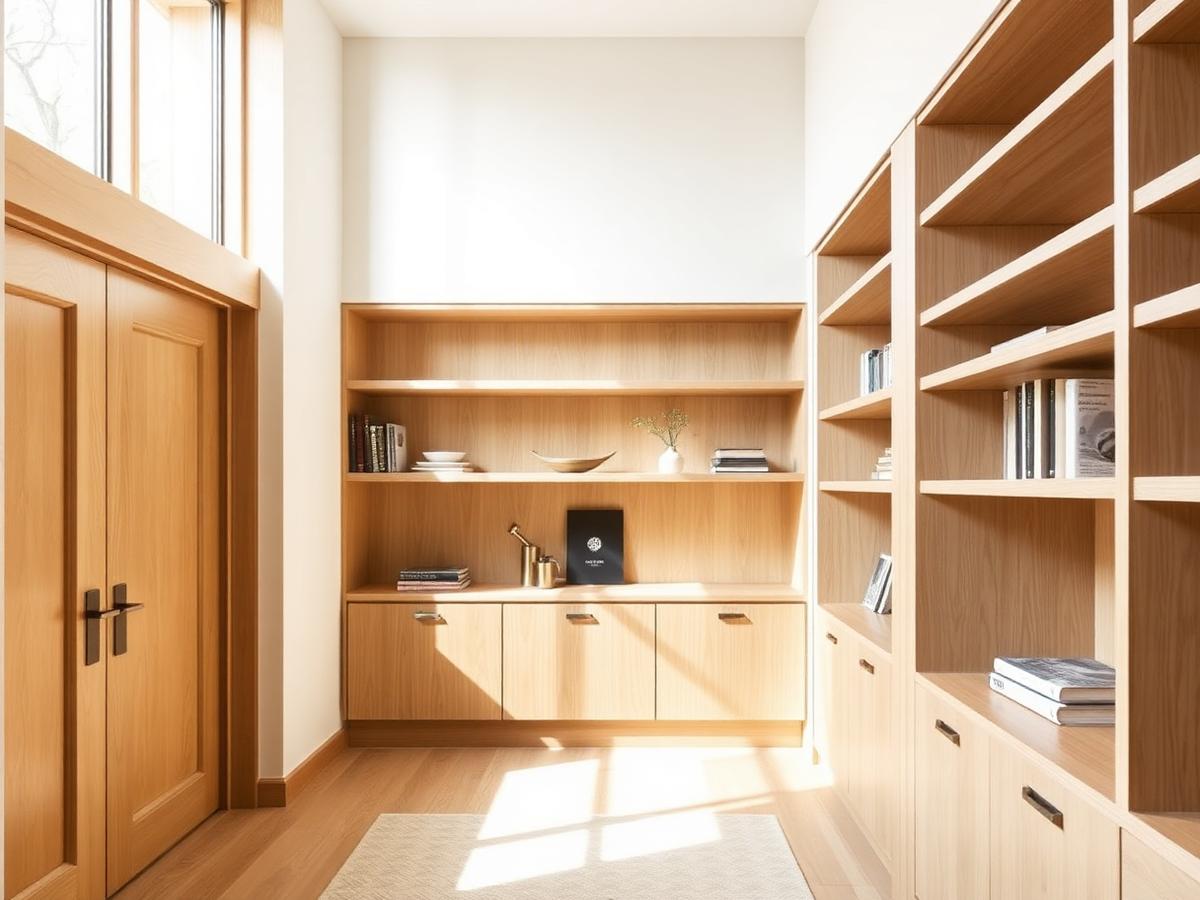
- Solid doors and hardware — even repainted, original doors carry more weight and feel than hollow replacements.
- Room proportions and window placement — the layout is often the character.
You are not preserving a museum. You are keeping the bones that make the house feel like a Rumson home.
What usually needs updating
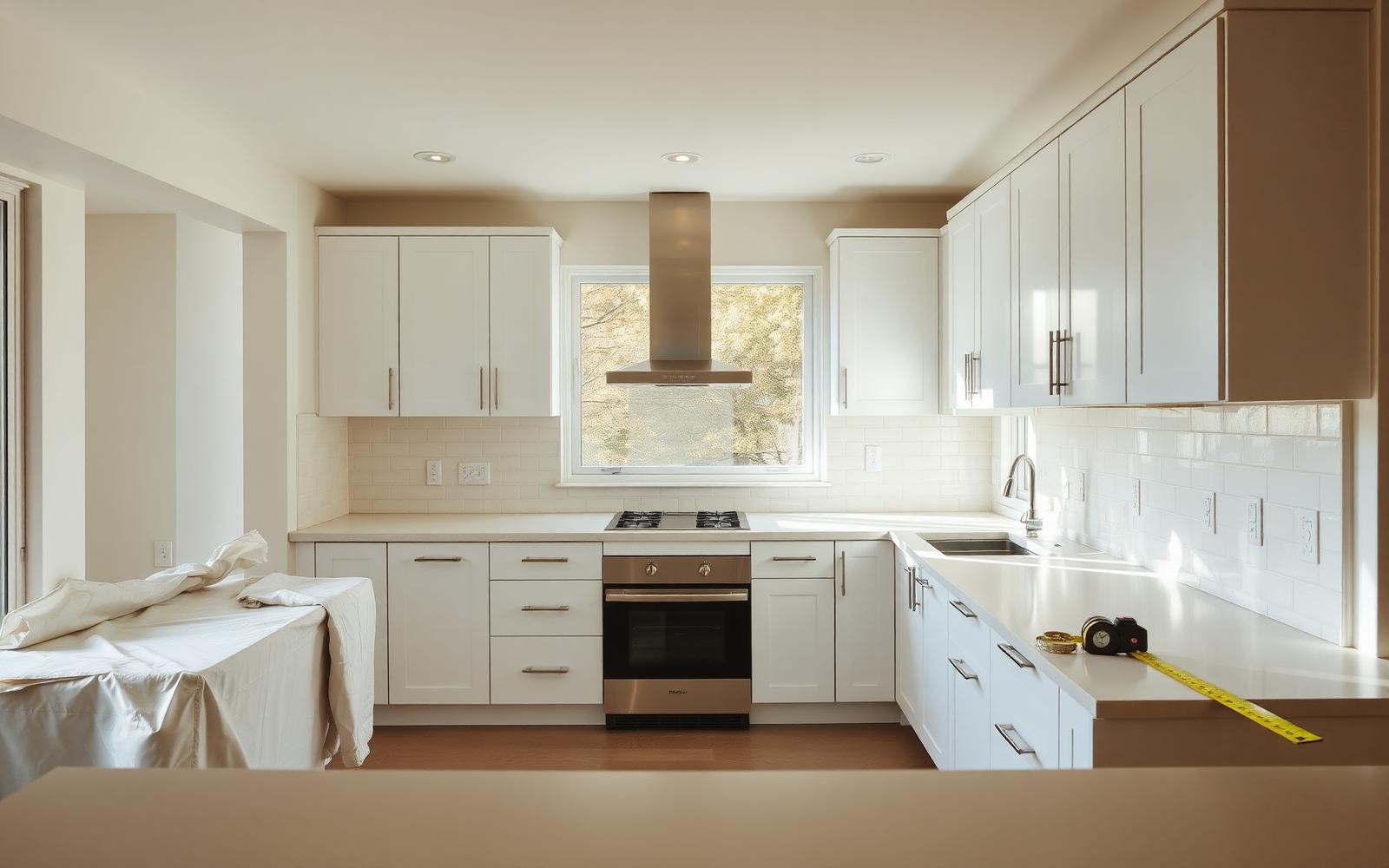
- Kitchens and bathrooms — these are the rooms that age fastest and benefit most from modern systems.
- Electrical and plumbing — older homes often need service upgrades and re-wired or re-piped areas.
- Insulation and air sealing — improving comfort and efficiency without changing the exterior.
- Lighting — older homes are often under-lit by modern standards.
The middle ground: sensitive integration
The best Rumson renovations integrate new work so it reads as part of the home. That might mean matching trim profiles on a new door, keeping a plaster ceiling but adding modern lighting, or building a new kitchen that respects the home’s era through cabinet style and material rather than a copy.
Permits and any historic review
Rumson does not have a designated historic district in the same way some towns do, but individual properties and neighborhoods may have deed restrictions or zoning considerations that affect exterior changes. Always confirm with the borough before assuming an addition or exterior change is straightforward.
How we approach character homes
We walk the house with you and identify what is original, what is failing, and what is worth saving. Then we design around the keep-list rather than the demo-list. It is a different planning process than a gut renovation, and it usually costs less while preserving more.