Permits exist to confirm that work meets the building code and was inspected by someone independent of the person doing the work. For homeowners, they also matter later: unpermitted work can surface during a home sale, an appraisal, or an insurance claim.
Here is how renovation work typically breaks down. Treat this as orientation, not a ruling — your local construction office has the final word.
Work That Usually Requires a Permit
Kitchens
New or relocated plumbing, added or moved electrical circuits, new gas lines, range hood venting, or removing a wall almost always triggers a permit. A cabinet-and-countertop replacement with no service changes may not.
Bathrooms
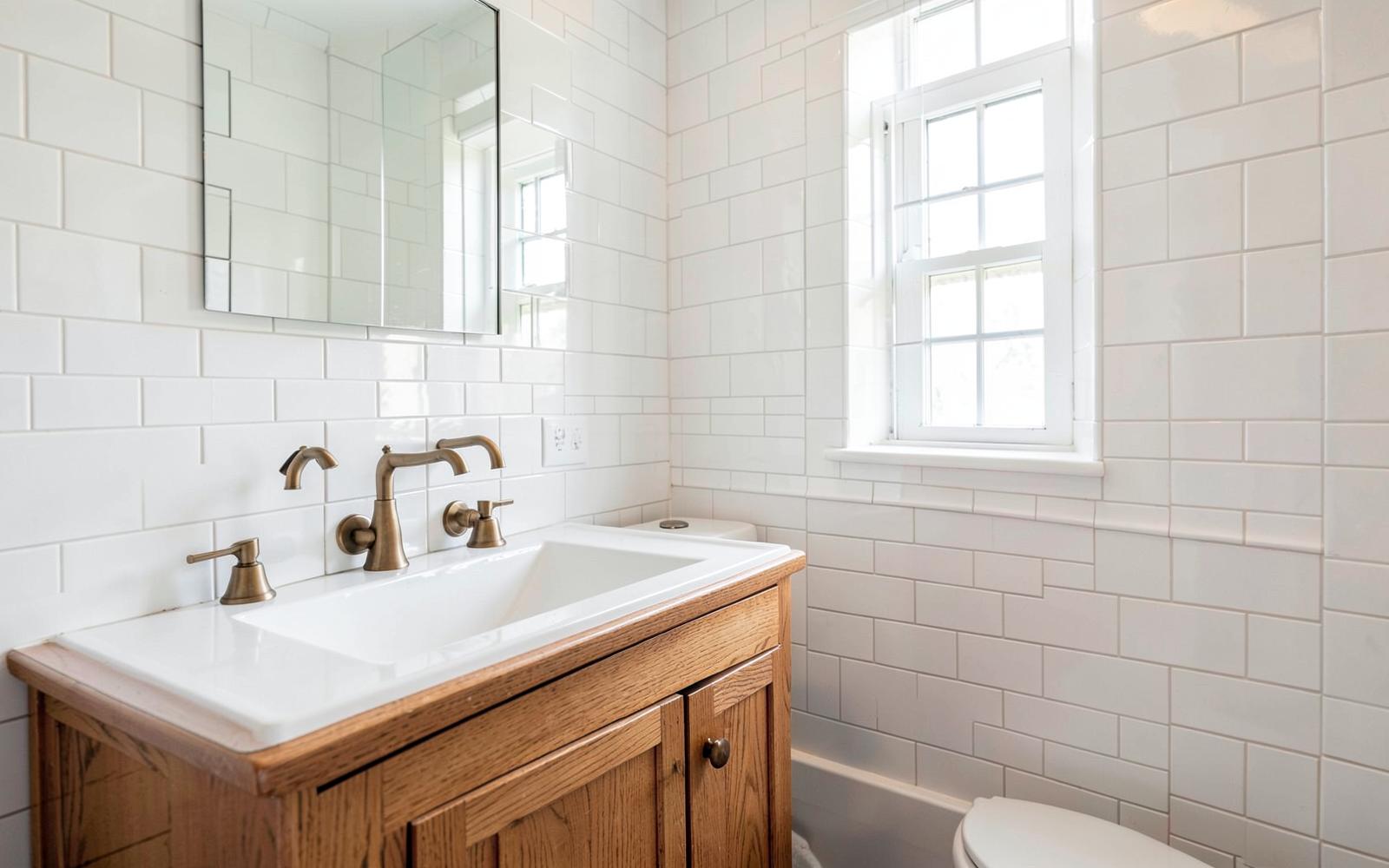
Replacing fixtures in place is sometimes treated as minor work, but converting a tub to a shower, moving drains, adding circuits or an exhaust fan, or gutting to the studs typically requires permits and inspections.
Decks
New decks generally require a permit, and often zoning review as well because of setbacks and lot coverage. Decks attached to the house involve footing, ledger and railing inspections. Even a rebuild on existing footings usually needs review.
Additions
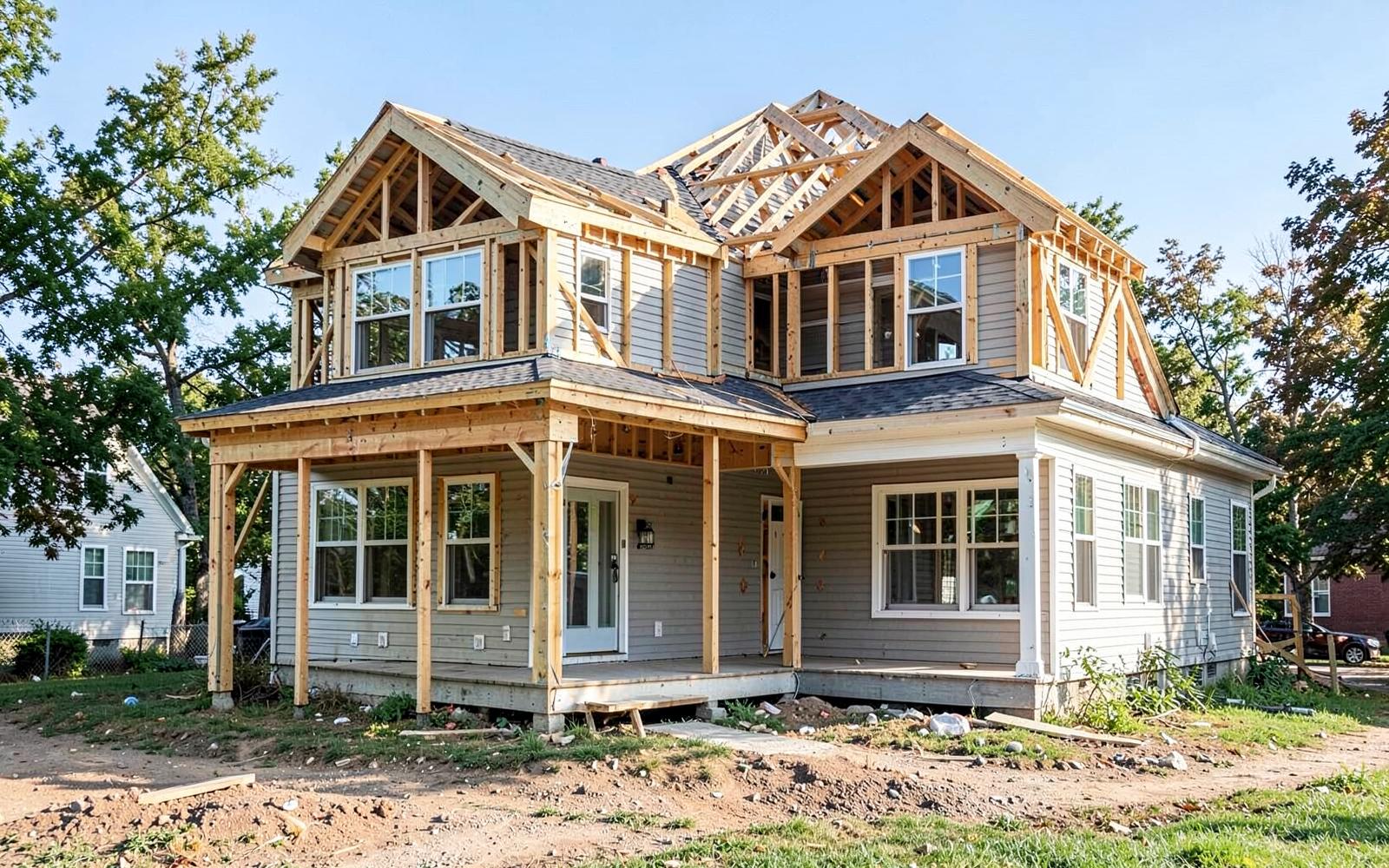
Always. Additions involve zoning approval, foundations, framing, roofing, envelope and mechanical work, and typically require architectural drawings and sometimes engineering.
Structural changes and removing walls
If a wall carries load — or if you are not certain whether it does — permits and, frequently, engineered details are part of the process. Beam sizing is not a judgment call.
Electrical, plumbing, HVAC
New circuits, panel upgrades, service changes, repiping, new gas piping, and furnace, boiler, water heater or air conditioning replacement are permitted subcode work in New Jersey.
Roofing, windows and doors
Roof replacement, especially with tear-off or sheathing repair, generally requires a permit. So do new window and door openings. Like-for-like replacements sometimes have simpler handling — again, town-dependent.
Work That Usually Does Not Require a Permit
- Painting, wallpaper and finishes
- Trim, molding and interior doors in existing openings
- Flooring over an existing subfloor
- Cabinet hardware, faucets and light fixtures replaced in place
- Countertops with no plumbing relocation
Cosmetic exemptions can be narrower than homeowners expect. Anything that involves opening a wall, adding a circuit or touching a gas line moves out of the cosmetic category.
Requirements Vary by Municipality
New Jersey follows a statewide building code, but permits are administered locally. Application forms, fees, drawing requirements, zoning review, inspection scheduling and the treatment of minor work differ from one office to another. Homeowners in Middletown, Red Bank, Holmdel and Rumson often deal with additional zoning or historic considerations. Coastal properties in Highlands, Sea Bright and Point Pleasant may involve flood elevation requirements. Larger townships such as Old Bridge, East Brunswick, Toms River and Brick each run their own construction departments with their own submission process.
The practical takeaway: call your local construction or code office early, describe the actual scope, and ask what they require. That call takes ten minutes and prevents most permit-related delays.
Who Pulls the Permit?
A registered contractor performing the work typically applies for the permit and coordinates inspections. Homeowners can pull permits for work on their own primary residence in many cases, but that also means owning the inspection process and the liability. If a contractor asks you to pull the permit for work they are performing, treat that as a question worth asking more about.
What If Work Was Already Done Without a Permit?
It happens frequently, often from a prior owner. Options usually involve applying for a permit after the fact and having the work inspected, which may require opening finished areas. It is generally easier to resolve before listing a home than during an inspection contingency.